Finding the Perfect Running Shoes for Your Best Run Ever
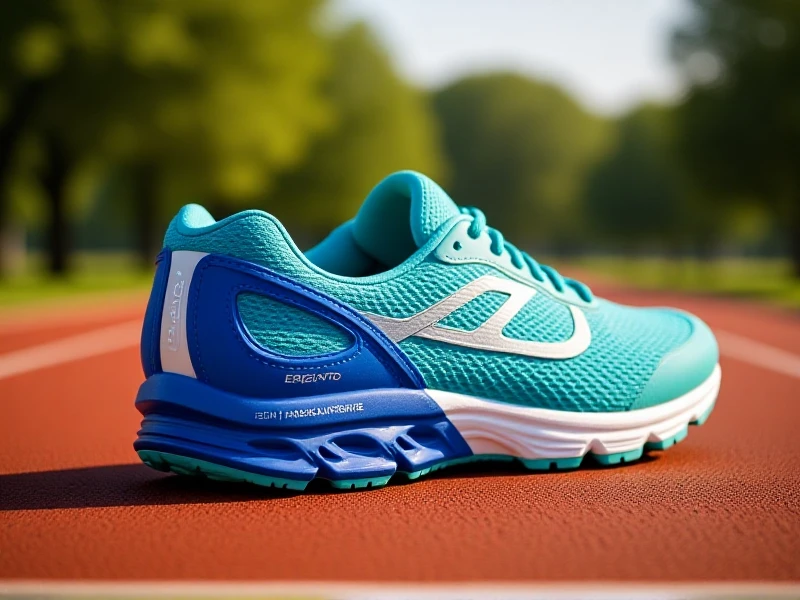
When you lace up for a morning jog or a marathon, your running shoes aren't just gear—they're essential partners that can make or break your performance. Choosing the right pair of running shoes can prevent injuries, boost your endurance, and turn every stride into a joy-filled experience. After years of coaching and testing, I've seen how the wrong choice leads to aches, while the right one transforms runs into victories. Today, I'll guide you through the key steps to pick your ideal running footwear.
First off, not all running shoes are the same. There are several types to suit different terrains. Road running shoes are lightweight with cushioning for smooth pavements, perfect for city routes. Trail running shoes, on the other hand, offer rugged soles and waterproofing for muddy, uneven paths. If you're into sprints or track workouts, racing flats provide minimal padding for speed. Each type aligns with specific surfaces, so think about where you usually run—stick to roads for daily commutes or hit the woods with trail-designed kicks.
Now, features matter big time. Cushioning is king; it absorbs impact to ease stress on your knees. Look for models with adaptive materials like memory foam. Support comes next—neutral shoes are great for most runners, but if you have high arches, stability or motion-control shoes prevent ankle roll. Weight is another factor; lighter shoes (under 10 ounces) suit faster runs on roads, while heavier ones (over 12 ounces) excel in trails where grip trumps speed. Don't forget breathability; mesh uppers keep feet cool and dry, a must for long distances. Brands like Nike and Brooks excel in these areas, offering options for every runner.
So, how do you choose the best pair? Start by assessing your foot type. Do a simple wet test: step on cardboard to see your arch print. Flat feet need extra arch support shoes, while high arches call for cushioned neutral pairs. Factor in your body weight too—heavier runners benefit from dense cushioning to handle impact. Also, consider frequency; if you run daily, durable shoes with rubber soles last longer. Finally, get professionally fitted at a sports store—experts use gait analysis to match shoes to your stride patterns.
Investing in quality running shoes pays off immensely. You'll reduce injury risks like shin splints and plantar fasciitis while enhancing your efficiency and motivation. For instance, switching to the right pair helped me cut minutes off my PRs through better comfort. Explore top recommendations online or in local shops, and remember, your perfect shoes await to elevate your next run. Lace up and hit the trail today—you'll feel the difference!