Ultimate Guide to Choosing the Best Running Shoes
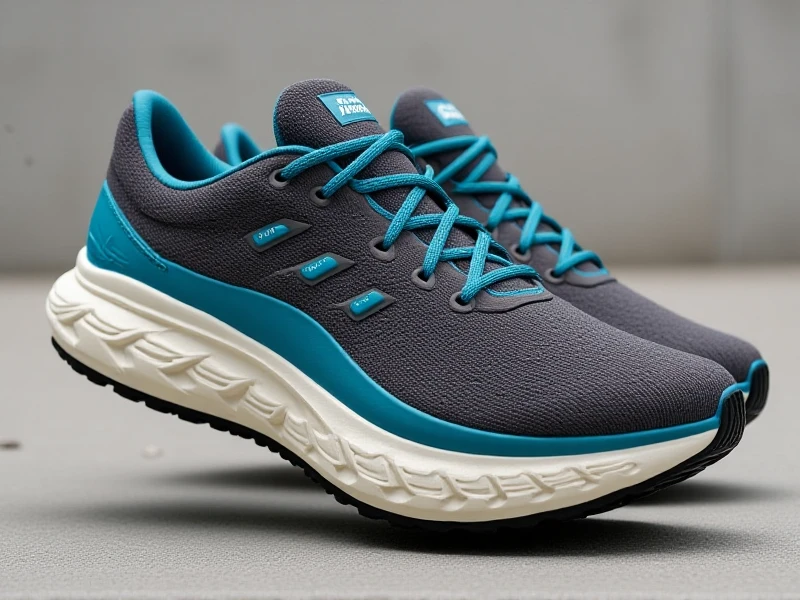
Finding the perfect pair of running shoes can transform your runs from a chore to a joy. As an avid runner and fitness enthusiast, I've tested countless models over the years to help you avoid common pitfalls like blisters or injuries. If you're new to the running world or looking to upgrade, this guide covers everything you need to know to make an informed choice about running shoes.
First off, not all running shoes are created equal. For starters, consider the type of running you do—whether it's everyday jogging, trail adventures, or marathon training. Cushioning is crucial; options like foam midsoles in brands such as Nike or Brooks provide excellent shock absorption, reducing impact on your joints. If you have flat feet or need extra stability, look for running shoes with features like medial posts, which prevent overpronation. Brands like ASICS excel here with their Gel-Kayano line. Weight matters too—lighter running shoes boost speed for racers, while bulkier ones offer durability for long miles. A key tip: Always try on running shoes in the afternoon when feet are swollen for the best fit. Plus, replace them every 300-500 miles to maintain support and avoid wear-related issues.
Another aspect is personal comfort. I recommend prioritizing breathable uppers made from mesh materials, found in models like the Adidas Ultraboost, to keep feet cool and dry during sweaty sessions. Don't overlook the importance of shoe size; get professionally fitted to ensure you're not sacrificing toe room for style. For value, we highlight durable running shoes from New Balance or Saucony that won't break the bank but deliver top-tier performance. Ultimately, investing in the right running shoes enhances your stride, prevents aches, and keeps you injury-free, making every mile more enjoyable.
Explore our full collection on the website for detailed reviews and expert tips—your journey to better runs starts with one perfect pair of running shoes.