Pick Your Perfect Pair: How to Choose Running Shoes That Rule the Road
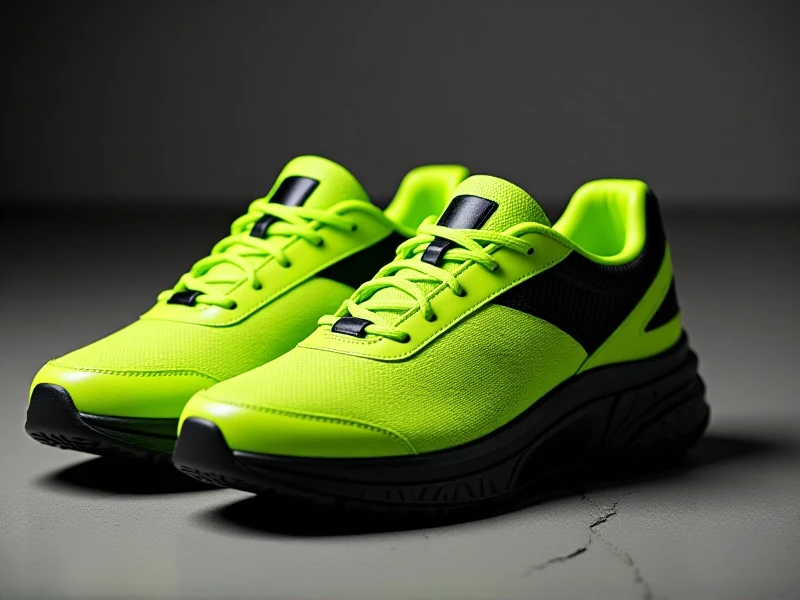
Finding the right running shoes isn't just about comfort; it's the cornerstone of injury prevention and peak running performance. Your feet absorb significant impact with every stride, and the best running shoes act as essential shock absorbers and stabilizers. But with countless brands, models, and technologies claiming superiority, selecting your ideal pair can feel overwhelming. Forget impulse buys based on flashy looks – the perfect fit hinges on understanding your unique running needs.
First, ruthlessly evaluate your foot type. Do you have a neutral gait, or do you tend to overpronate (foot rolls inward) or underpronate/supinate (foot rolls outward)? Visiting a specialty running shoes store for a gait analysis is the gold standard. Experienced staff watch you run, often on a treadmill, to assess your mechanics. This knowledge is critical – cushioned running shoes for neutral runners differ vastly from stability running shoes designed to correct overpronation, or motion control options for severe cases.
Next, consider your primary running surface. Are you pounding the pavement? Tackling rugged trails? Or clocking miles on the gym treadmill? Road running shoes prioritize lightweight cushioning and flexibility for hard, even surfaces. Trail running shoes, in contrast, offer aggressive lugs (treads) for treacherous grip, protective toe caps, and enhanced durability against rocks and roots. Using a trail shoe on concrete accelerates wear and reduces its effectiveness, just as a road shoe on muddy trails compromises safety.
Cushioning level is deeply personal. Preferences range from minimalist, zero-drop shoes offering ground feel to maximalist models with thick, plush midsoles for maximum shock absorption (like popular high-cushion running shoes). Don't assume more cushion is always better; the ideal level depends on your comfort preference, body mechanics, and injury history.
Finally, fit is sacred. Always try on running shoes later in the day when feet swell. Ensure ample space (about a thumb's width) between your longest toe and the front. Width should provide a secure hold without pinching. Wiggle your toes! Your heel should lock firmly without slipping. Don't compromise here; an ill-fitting shoe leads to blisters, black toenails, and frustration.
Investing the time to discover your perfect running shoes is an investment in pain-free miles and achieving your running goals. Ditch the guesswork, understand your feet and stride, and let the right shoes empower every step of your journey. Explore your options today!