Find Your Perfect Pair: The Ultimate Running Shoes Guide
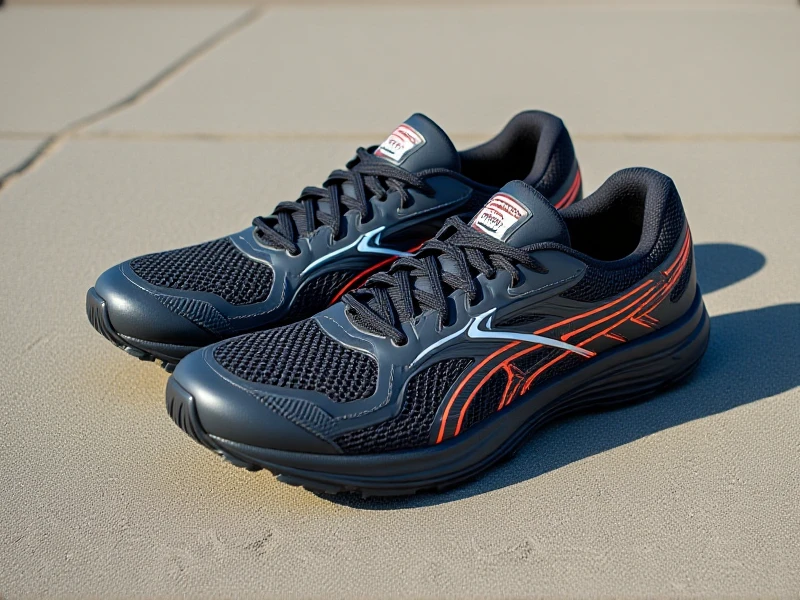
Running shoes aren't just an accessory; they're essential gear that can make or break your training and overall health. As an avid runner myself, I've seen countless friends quit jogging due to foot pain—usually because they grabbed the wrong pair. Good running shoes enhance comfort, prevent injuries like shin splints, and boost your performance, whether you're hitting the trails, streets, or treadmill for a daily workout. But with so many options out there, choosing the ideal running shoes can feel overwhelming. Let's dive into how to pick the best ones for your needs without breaking the bank.
First, understand the key types of running shoes available today. Neutral shoes are great for most runners with efficient gaits; they offer moderate cushioning without extra support. Stability running shoes feature added arch or heel reinforcements to correct overpronation for those whose feet roll inward, reducing joint strain. Then there are cushioned shoes with maximum shock absorption, perfect for high-mileage runners or those on hard surfaces. Brands like Nike, Brooks, and Asics lead the pack here, with models such as the Brooks Ghost or Nike Pegasus offering reliable options for beginners to pros during intense runs.
When selecting your running shoes, start by assessing your foot type and running style. Try the "wet test" at home: wet your feet, step on paper, and if the imprint shows a high arch, opt for more cushioned running shoes for extra protection. If your imprint shows flat feet, stability shoes will provide better balance. Always try shoes on later in the day when feet swell and bring your running socks. For fit, aim for a thumb's width of space ahead of your toes—too tight shoes cause blisters, while loose ones risk stability loss. Remember to check features like breathable mesh uppers and durable rubber outsoles, especially if you run on varied terrains.
Lastly, after finding your ideal running shoes, maintain them to extend their life. Rotate between two pairs to even out wear, wash them gently to avoid damage, and replace them every 300-500 miles while tracking your mileage via running apps. Investing in a solid pair pays off in performance gains and injury prevention. Ready to upgrade? Share your stories in the comments—I'd love to hear what running shoes transformed your routine!